From the Land of Pandas to UNI
Exploring China: A Trip with Joy
大家好,我叫黄圣怡,我的英文名字叫Joy,我是一个转学生, 我参与的是北爱荷华大学和上海电机学院2+2的合作项目, 目前就读商学院的经济和供应链管理专业。我来自中国四川,热情开朗,喜欢结交新朋友,学习新的知识和文化。我喜欢旅游,已经去过了中国的27个省,我也去澳大利亚,葡萄牙,日本等国家。我有很多兴趣爱好,我喜欢听音乐,看电影,骑 自行车,跑步和看小说。我在Cedar Falls已经待了9个月,这里的空气清新,环境优美,我 喜欢这里的蓝天白云,在晚上会在宿舍外面看星,这让我心情平静。
Hi everyone! My name is Shengyi Huang, or Joy. I’m a transfer student from China, currently double majoring in Business Economics and Supply Chain Management, here at UNI through the 2+2 program with Shanghai Dianji University. I'm originally from Sichuan, China. I’m an outgoing person, and I love meeting new people and learning about different cultures. I love travelling, I’ve been to 27 provinces in China, and I've also traveled to countries like Australia, Portugal, and Japan. In my free time, I enjoy listening to music, watching movies, cycling, running, and reading novels. I’ve been living in Cedar Falls for about 9 months now. I absolutely love the fresh air and beautiful environment here. My favorite thing to do is stargazing outside my dorm at night under the clear sky—it always makes me feel so peaceful. It's great to meet you all!


Mapping China
China is located in the eastern part of Asia and on the western coast of the Pacific Ocean. China shares its land borders with 14 countries, including Russia, Mongolia, India, and Vietnam. To its east and south, China has a very long coastline along the Pacific Ocean, facing seas like the East China Sea and the South China Sea. The capital city of China is Beijing.

Sichuan, China
Sichuan, it is the province where I was born. It is a massive province spanning about 485,000 square kilometers, with a large population of over 83 million people. It is located in southwest China, being blessed with breathtaking landscapes, ranging from the majestic Jiuzhaigou National Park with its crystal-clear lakes to Mount Emei. It is the hometown of the giant panda. What’s more, it is a vibrant province famous worldwide for its spicy and flavorful cuisine, like Hotpot and Kung Pao Chicken.

Places to Visit
It is a world-famous non-profit organization dedicated to wildlife conservation. Located in Chengdu, Sichuan, it is the best place in the world to see giant pandas up close. The base beautifully mimics the pandas' natural habitat, featuring lush green bamboo forests, rolling hills, rivers, and clean air. It feels more like a massive botanical garden than a traditional zoo.

The Dujiangyan Irrigation System, built around 256 BC in Sichuan, is the world's oldest functional water conservancy project without a dam. It seamlessly channels the Minjiang River to prevent floods and irrigate fields, turning the Sichuan Basin into a fertile "Land of Abundance" that still thrives today.

Mount Emei, located in Sichuan, is one of China’s Four Sacred Buddhist Mountains and a UNESCO World Heritage site. Standing majestic at over 3,000 meters, it is renowned for its deep spiritual history, ancient temples, and exceptionally lush scenery. At the famous Golden Summit, visitors can witness the stunning "Sea of Clouds".

It is a world-famous non-profit organization dedicated to wildlife conservation. Located in Chengdu, Sichuan, it is the best place in the world to see giant pandas up close. The base beautifully mimics the pandas' natural habitat, featuring lush green bamboo forests, rolling hills, rivers, and clean air. It feels more like a massive botanical garden than a traditional zoo.
The Dujiangyan Irrigation System, built around 256 BC in Sichuan, is the world's oldest functional water conservancy project without a dam. It seamlessly channels the Minjiang River to prevent floods and irrigate fields, turning the Sichuan Basin into a fertile "Land of Abundance" that still thrives today.
Mount Emei, located in Sichuan, is one of China’s Four Sacred Buddhist Mountains and a UNESCO World Heritage site. Standing majestic at over 3,000 meters, it is renowned for its deep spiritual history, ancient temples, and exceptionally lush scenery. At the famous Golden Summit, visitors can witness the stunning "Sea of Clouds".
Facts about Sichuan
Sichuan Caviar: This land of hotpot surprisingly produces over one-third of the world’s premium caviar using pure glacial meltwater.
Sichuan's Mountains: Known as the "Province of Thousand Mountains," it boasts over 100 snow-capped peaks above 5,000 meters, dominated by Mount Gongga at 7,556 meters.
Sichuan's Tunnels: To conquer these mountains, Sichuan has built over 1,300 highway tunnels, creating the world’s densest underground transportation network.
The Yaxi Expressway: Known as the "sky road," this futuristic highway climbs into the clouds via endless towering pillars and tunnels.
Sanxingdui Ruins: This 3,000-year-old archaeological site unearthed mysterious, alien-like bronze masks with massive protruding eyes and oversized ears.
The Leshan Giant Buddha: This 71-meter-tall stone Buddha, carved directly into a cliff, has a single foot large enough to seat around 100 people.
The Zigong Dinosaur Museum: Built directly over a massive excavation site, it sits on one of the world's largest collections of Jurassic fossils.
Sichuan Cuisine
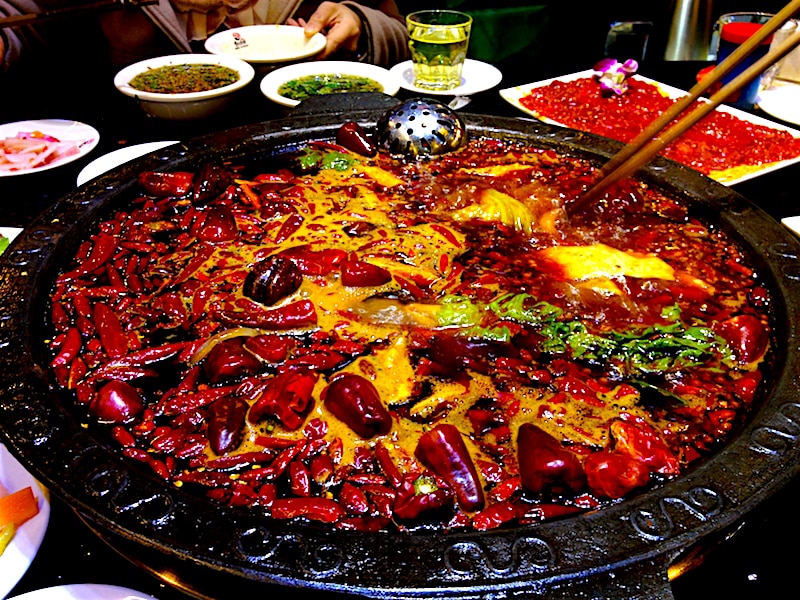
Sichuan Hotpot - A bubbling pot of spicy, aromatic broth where you cook fresh meats and vegetables, offering the ultimate social dining experience.
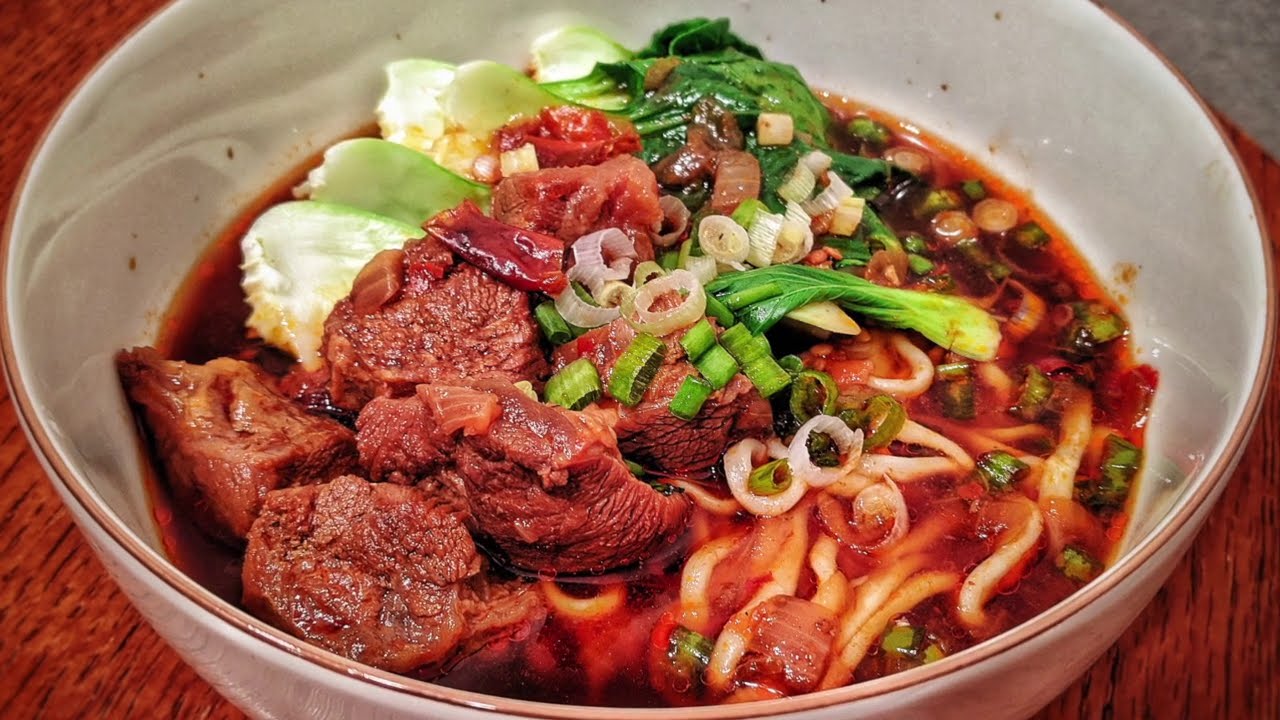
Sichuan Beef Noodles - Tender, slow-braised beef chunks served over rich wheat noodles in a deeply flavorful, spicy, and herb-infused hot broth. It is my favorite dish for breakfast, but you can have it whenever you want as well.
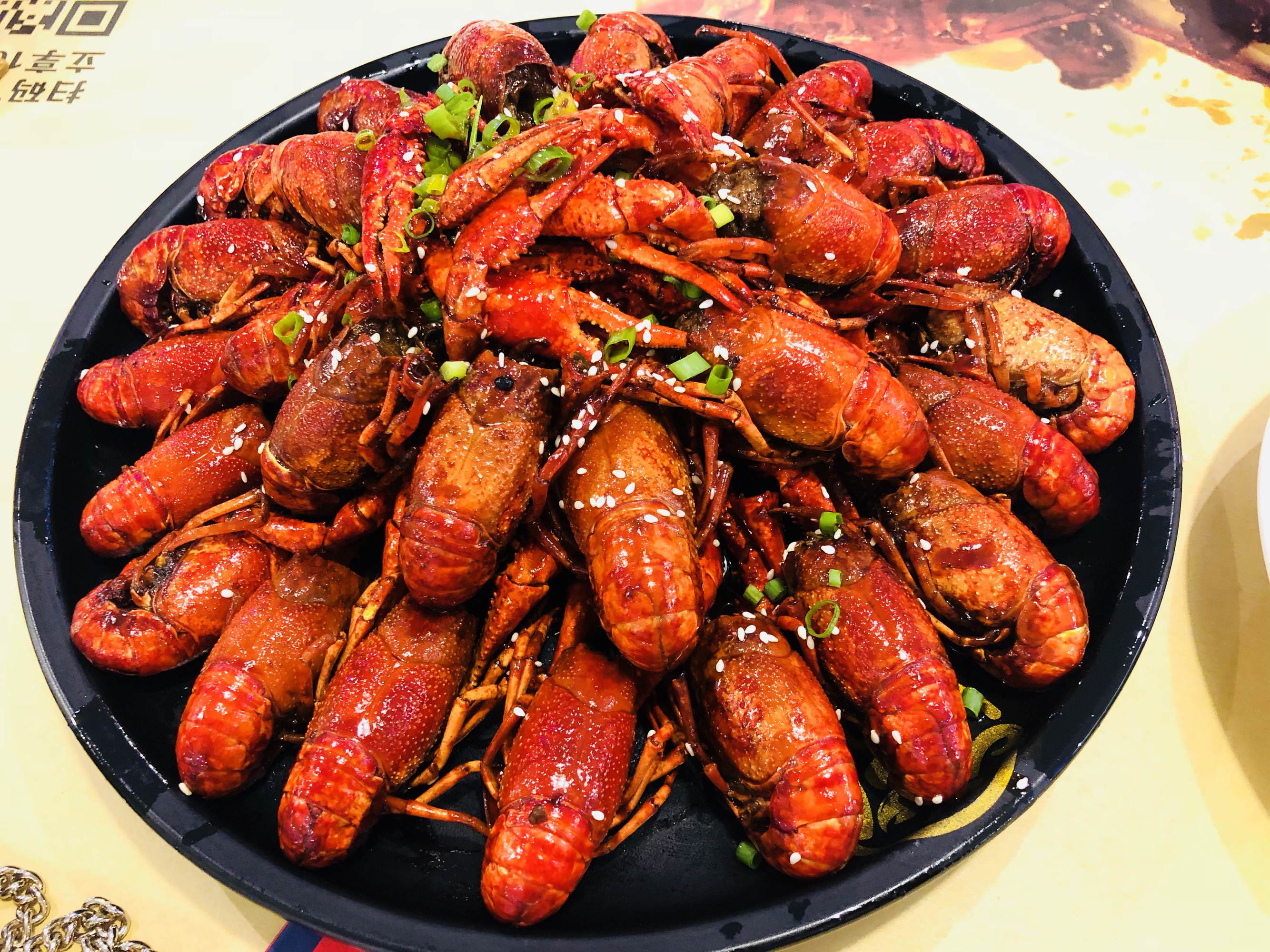
Spicy Crayfish - Fresh crayfish stir-fried with tons of chilies, garlic, and Sichuan peppercorns, creating a messy, fiery, and addictive street-food favorite. It is the ultimate late-night street food, perfectly paired with a cold beer for friends hanging out.
Tiger Skin Green Peppers - Pan-seared whole green peppers wrinkled like tiger skin, tossed in a tangy garlic and soy sauce for a smoky, juicy bite. Whether the dish is spicy or not depends on the type of pepper.
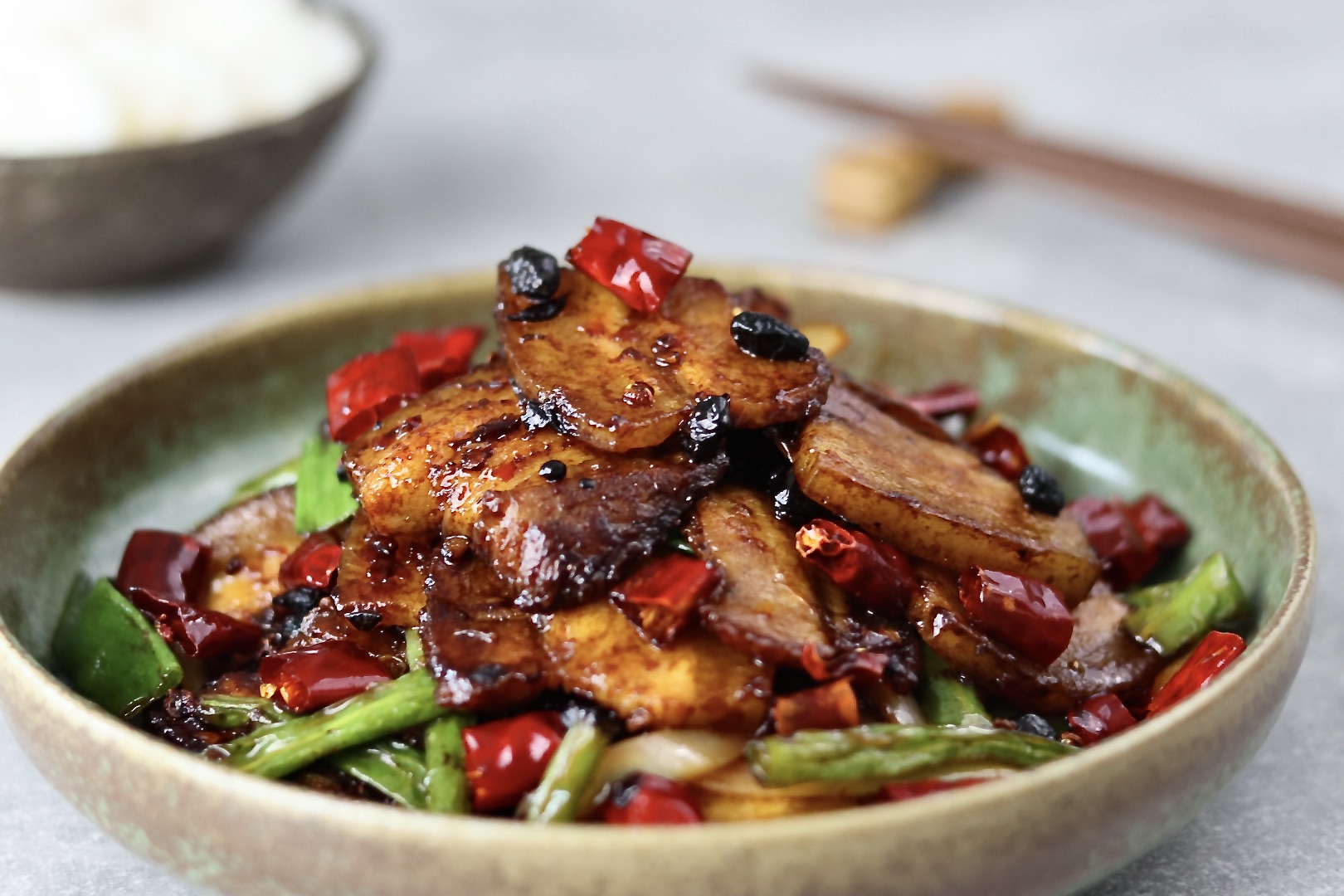
Twice-Cooked Pork - Tender pork belly is first boiled then stir-fried with crispy leeks and savory fermented black bean paste, you can find this dish in every restaurant and you definitely can not miss it.

Festivals in Sichuan
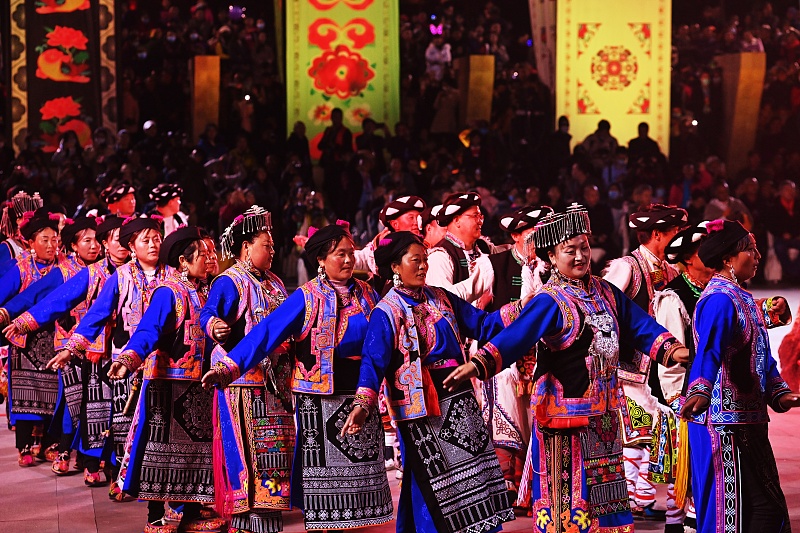
Sichuan is home to Yi, Tibetan, and Qiang minorities, celebrated through vibrant events like the fiery Torch Festival and Losar.
Yi Torch Festival
Location: Liangshan Yi Autonomous Prefecture (a region designated for minority ethnic groups) (Xichang City)
Time: Around the 24th day of the 6th month on the Chinese Lunar Calendar (usually falls in July or August on the Western calendar).
Known as the "Oriental Carnival," this festival is the most important event for the Yi people. At night, people light giant torches and dance around bonfires to pray for a good harvest and drive away bad luck. It also features exciting events like horse racing, wrestling, and traditional beauty pageants.

Tibetan New Year / Losar
Location: Aba Tibetan and Qiang Autonomous Prefecture, and Garzê Tibetan Autonomous Prefecture
Time: Usually falls in February or March (often close to or on the same day as the Chinese Lunar New Year).
This is the grandest festival in Sichuan's Tibetan regions. Locals dress in beautiful traditional robes, visit monasteries to pray, and perform lively Guozhuang (circle) dances. It's a wonderful time to experience authentic Tibetan hospitality, taste yak butter tea, and enjoy the spiritual atmosphere of the highlands.

Qiang Valley Festival / Day of Women
Location: Qiang communities in Aba Prefecture, such as Mao County and Wenchuan County
Time: The 5th day of the 5th month on the Chinese Lunar Calendar (during the traditional
Dragon Boat Festival).
This is a unique, thousands-of-years-old festival dedicated entirely to Qiang women (often called the "Qiang Women's Day"). On this day, women are freed from all housework, dress in exquisite embroidery, and lead rituals to worship the Goddess of Song. They spend the day singing and dancing, while the men do all the cooking and serving!